
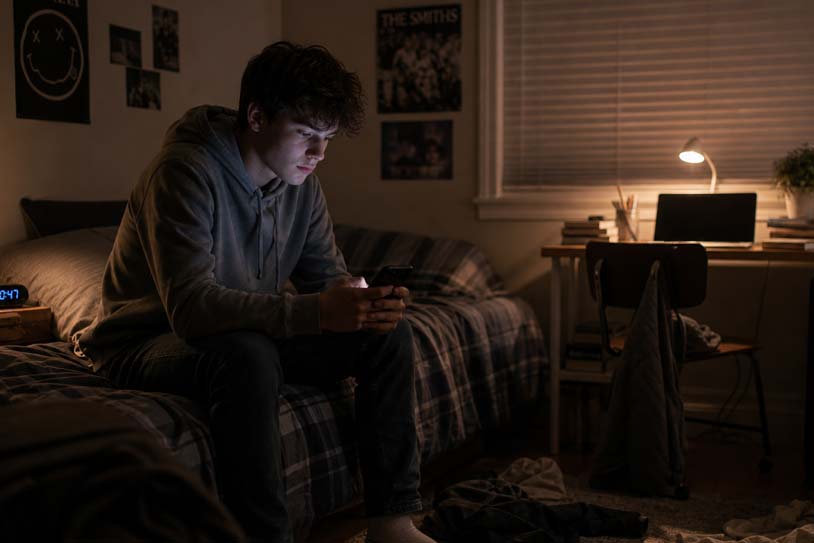
Parents throughout Wheaton, Naperville, Geneva, Glen Ellyn, and surrounding DuPage County communities are becoming increasingly concerned about the emotional health of their teenagers. At Stenzel Clinical Services, we are seeing more families seek support for anxiety, depression, emotional dysregulation, low self-esteem, school stress, and social withdrawal connected to social media and excessive screen time.
Technology is now deeply woven into nearly every aspect of teenage life. Phones, social media apps, gaming platforms, streaming content, and online communication have changed how teens interact with friends, manage emotions, and view themselves. While technology offers connection and convenience, it can also create overwhelming emotional pressure when not balanced in healthy ways.
In 2026, many parents feel stuck between wanting their children to stay socially connected while also worrying about how constant screen exposure is affecting their mental health. The reality is that many teens today are carrying emotional burdens that previous generations never had to navigate.
The good news is that awareness is growing, and families are beginning to seek support earlier. With the right guidance, teens can develop healthier emotional habits, stronger coping skills, and a more balanced relationship with technology.
Why Teen Mental Health Concerns Are Rising
Mental health professionals across the country continue reporting major increases in teen anxiety, depression, and emotional burnout. Much of this rise is linked to social media pressure, overstimulation, disrupted sleep patterns, and constant digital comparison.
Teenagers today rarely experience true downtime. Notifications, messages, videos, and social feeds are constantly competing for attention. Many teens feel pressure to always be available, always connected, and always performing socially online.
At Stenzel Clinical, we often hear teens describe feeling:
- Constantly overwhelmed
- Emotionally exhausted
- Anxious about peer approval
- Isolated despite being online
- Afraid of missing out
- Mentally drained from social comparison
Even teens who appear socially active may be quietly struggling with stress, loneliness, or low self-worth.
The Impact of Social Media Comparison
One of the biggest emotional challenges teenagers face today is comparison culture. Social media platforms often present unrealistic images of beauty, success, popularity, and happiness. Teens may begin believing everyone else is more attractive, successful, confident, or socially accepted than they are.
This constant comparison can contribute to:
- Low self-esteem
- Body image concerns
- Social anxiety
- Depression
- Perfectionism
- Fear of judgment
- Increased emotional sensitivity
In highly achievement-oriented communities like Naperville and Wheaton, these pressures can become even more intense. Many students already feel pressure academically through advanced coursework, athletics, extracurricular activities, and college preparation. Social media adds another layer of performance and validation seeking.
Teenagers often tie their self-worth to likes, comments, followers, and online approval. When validation becomes tied to digital interaction, emotional stability can suffer significantly.
How Excessive Screen Time Affects Emotional Health
Screen time itself is not always harmful. The issue is often the amount of time spent online and the type of content being consumed. Many teens spend several hours each day switching between social media apps, gaming, streaming videos, texting, and browsing content.
Excessive screen time may contribute to:
- Sleep disruption
- Increased anxiety
- Mood swings
- Reduced attention span
- Difficulty concentrating
- Emotional overstimulation
- Reduced face-to-face communication skills
- Increased irritability
Research continues showing strong links between heavy social media use and worsening emotional health among adolescents.
One major concern is sleep deprivation. Many teens stay awake late scrolling social media, watching videos, or gaming. Poor sleep significantly affects emotional regulation, academic performance, stress tolerance, and mental clarity.
Parents may notice their teenager becoming increasingly reactive, withdrawn, unmotivated, or emotionally exhausted without immediately realizing how much screen habits are contributing.
The Rise of Teen Anxiety in DuPage County
Teen anxiety is becoming one of the most common reasons families seek counseling throughout DuPage County. At Stenzel Clinical Services, our therapists work with adolescents experiencing anxiety related to academics, social pressure, family stress, self-esteem, and digital overload.
Common signs of teen anxiety may include:
- Frequent worrying
- Irritability
- Panic attacks
- Avoiding social situations
- Physical complaints like headaches or stomachaches
- Difficulty sleeping
- Emotional shutdown
- Constant reassurance seeking
- Declining academic performance
Sometimes anxiety appears as anger, frustration, or emotional withdrawal rather than obvious fear. Many teenagers struggle to express what they are feeling internally.
Parents may also notice their child becoming highly sensitive to online interactions, peer conflict, or social rejection. Because so much social life now exists online, negative experiences can feel constant and impossible to escape.
Gaming, Dopamine, and Emotional Regulation
Gaming itself is not inherently unhealthy, but excessive gaming can contribute to emotional regulation challenges for some teens. Many online games are designed to keep users engaged for long periods through reward systems, stimulation, and competition.
For some teenagers, gaming becomes a way to avoid stress, anxiety, loneliness, or emotional discomfort. Over time, this can reduce healthy coping skills and increase isolation from real-world relationships and responsibilities.
Signs gaming may be becoming unhealthy include:
- Neglecting school responsibilities
- Avoiding family interaction
- Increased irritability when not gaming
- Sleep disruption
- Emotional outbursts
- Loss of interest in offline activities
At Stenzel Clinical, we help families understand the emotional reasons behind excessive screen use rather than simply focusing on punishment or restriction. Often, teens need support learning healthier emotional coping skills and communication patterns.
Building Healthier Digital Habits
Parents frequently ask how they can create healthier boundaries without causing constant conflict. The goal is not necessarily eliminating technology but helping teens develop balance and emotional awareness.
Healthy habits may include:
- Limiting screen time before bed
- Encouraging offline hobbies and activities
- Creating device-free family time
- Having open conversations about social media pressure
- Monitoring emotional changes connected to screen use
- Encouraging face-to-face friendships
- Modeling healthy technology habits as parents
It is also important for parents to avoid approaching the issue with shame or criticism. Teens are already navigating enormous pressure socially and emotionally. Supportive communication tends to be far more effective than punishment alone.

How Therapy Helps Teens Navigate Modern Stress
Therapy provides teenagers with a safe environment where they can process emotions, build coping strategies, and develop confidence without fear of judgment.
At Stenzel Clinical, our counselors work collaboratively with teens and families to address:
- Anxiety
- Depression
- Emotional regulation
- Social stress
- Family conflict
- Self-esteem
- Trauma
- School-related stress
- Behavioral challenges
Every teenager is different. Some need support building communication skills. Others need help managing perfectionism, emotional sensitivity, or overwhelming stress. Therapy allows teens to better understand themselves while learning healthier ways to respond to challenges. Our team believes in meeting teens with compassion, empathy, and practical support.
Supporting Teen Mental Health in Wheaton and Naperville
Teenagers today are growing up in a very different world than previous generations. The emotional pressure connected to social media, technology, academics, and constant comparison can feel overwhelming without proper support.
At Stenzel Clinical Services, we understand how difficult it can be for both teens and parents to navigate these challenges alone. Our counseling team works with adolescents and families throughout Wheaton, Naperville, Geneva, Glen Ellyn, and surrounding communities to provide practical tools, emotional support, and personalized care.
Social media and screen time are not going away, but healthier habits, emotional resilience, and stronger communication can make a significant difference. With the right support system, teens can build confidence, improve emotional balance, and develop healthier relationships both online and offline.
“Today’s teens are more connected digitally than ever before, yet many feel more isolated emotionally. Healthy support and real connection matter.
Stenzel Clinical Services
Recent Posts

Making Room for Change: How to Build Habits That Last
Making meaningful behavioral or life changes is inherently difficult. Humans are creatures of habit who naturally resist change because [...]

Embracing the Discomfort: Why Real Personal Growth Requires Stepping into the Unknown
Let’s be honest for a second: growth is uncomfortable. Personal growth depends on effort, struggle, and sometimes a bit [...]

Why the Best Things in Life Hurt
There’s a strange paradox at the heart of psychology. The harder you try to fall asleep, the more wide [...]