
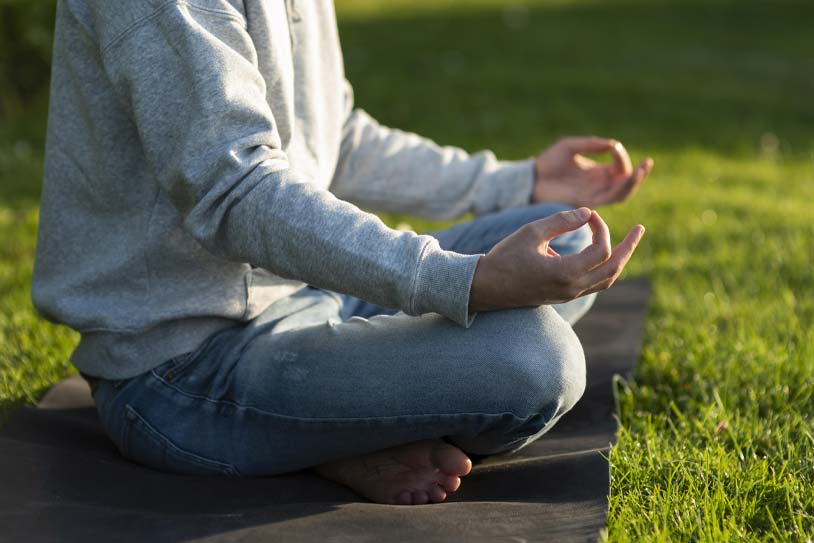
Meditation is a practice designed to cultivate mindfulness and present-moment awareness, fostering clarity and calm in our daily lives. With hundreds of techniques available, there is a method suited for almost every emotional state or situation. If your primary goal is stress reduction, mindfulness-based techniques are an accessible way to begin enhancing your mental health (you can assess your baseline with this well-being quiz).
Beyond just relaxation, meditation triggers biological shifts that enhance physical and mental longevity. Here is how consistent practice impacts your body:
1. Strengthens the Immune System
Meditation has been shown to improve antibody production and overall immune function, helping the body defend itself more effectively against pathogens (Davidson et al., 2003; Creswell et al., 2012; Dunn & Dimolavera, 2022).
2. Reduces Systemic Inflammation
Practice can lead to a decrease in key inflammatory markers, such as IL-6, TNF-α, and CRP. Lowering these markers is crucial for preventing long-term chronic illness (Dunn & Dimolavera, 2022).
3. Manages and Alleviates Physical Pain
Meditation is a powerful tool for chronic pain management (Damico et al., 2025). It functions by altering how the brain processes pain signals, significantly reducing both the perceived intensity and the emotional “unpleasantness” of the sensation (Zeidan et al., 2011).
4. Builds Emotional Resilience
Specific practices, such as Loving-Kindness Meditation (LKM), increase positive emotions and compassion (Hutcherson, Seppala & Gross, 2008). In patients with chronic conditions, these techniques support “pain resilience,” allowing them to maintain a higher quality of life despite physical discomfort (Chapin et al., 2021).
5. Combats Mental Fatigue
If you struggle with “brain fog” or exhaustion, meditation can help. A 2024 meta-analysis confirmed that regular practice significantly reduces levels of mental fatigue (Park et al., 2024).
6. Supports Healthy Aging (Telomere Maintenance)
Meditation is linked to the preservation of telomeres—the protective caps at the end of our chromosomes. Longer telomeres (or a slower rate of shortening) are primary markers of biological youth and healthy cellular aging (Epel et al., 2009; Schutte & Malouff, 2014; Creswell et al., 2012).
This revision streamlines your points into thematic categories, making the scientific benefits easier to digest while maintaining the professional citations.
Meditation Improves Emotional Well-Being
7. Increases Positive Emotions
Practices like Loving-Kindness Meditation (LKM) foster measurable increases in joy, warmth, and interpersonal connection (Fredrickson et al., 2008).
8. Reduces Depression and Relapse
Meditation is a proven tool for reducing depressive symptoms and is particularly effective at preventing relapse in those with recurrent depression (Segal et al., 2000).
9. Alleviates Anxiety and PTSD
Comprehensive reviews show significant reductions in generalized anxiety (Goyal et al., 2014). Specialized techniques, such as SKY Breath Meditation, have been found to significantly lower PTSD symptoms in military veterans (Seppälä et al., 2014; Bayley et al., 2022).
10. Lowers Stress Biologically
Beyond feeling calmer, meditators show a biological reduction in cortisol (the “stress hormone”) and lower levels of perceived psychological stress (Tang et al., 2007; Khoury et al., 2013).
11. Reduces Loneliness
Meditation helps mitigate feelings of isolation and has been linked to a decrease in the expression of pro-inflammatory genes associated with loneliness (Creswell et al., 2012).
Meditation Improves Your Relationships
12. Increases Compassion and Altruism
Regular practitioners demonstrate more caring and altruistic behaviors toward others (Weng et al., 2013; Condon et al., 2013).
13. Builds Emotional Intelligence
By increasing empathy and decreasing burnout, meditation supports healthier interactions, even in high-stakes environments like the medical profession (Krasner et al., 2009).
14. Strengthens Social Connection
Even brief sessions of loving-kindness meditation can immediately boost feelings of warmth and social bonding (Hutcherson, Seppälä & Gross, 2008).
Meditation Changes Your Brain
15. Increases Gray Matter
Meditation promotes growth in brain regions associated with learning, memory, and emotional regulation (Hölzel et al., 2011).
16. Strengthens Emotional Regulation Circuits
The practice enhances neural pathways that support resilience, allowing for a more balanced response to life’s challenges (Hölzel et al., 2011).
17. Thickens the Prefrontal Cortex
Regular practice strengthens the areas of the brain responsible for sustained attention and executive function (Lazar et al., 2005).
18. Protects Aging Cognition
Meditation improves memory, focus, and sleep quality in older adults, offering a protective effect against age-related cognitive decline (Shi et al., 2025).
19. Enhances Interoception
Recent research indicates that meditation improves internal self-awareness (interoception), which is key to emotional clarity and physical health (Treves et al., 2025).
Meditation promotes sharper thinking and productivity
- Attention: Meditators recover from distractions faster and maintain focus longer (Jha et al., 2007).
- Memory: Expanding your “mental workspace” through meditation improves working memory (Mrazek et al., 2013).
- Multitasking: Practitioners perform complex tasks with fewer errors and less stress (Levy et al., 2012).
- Creativity: Meditation encourages “divergent thinking,” leading to greater insight and problem-solving (Colzato et al., 2012).
Rest, Recovery, and Self-Awareness
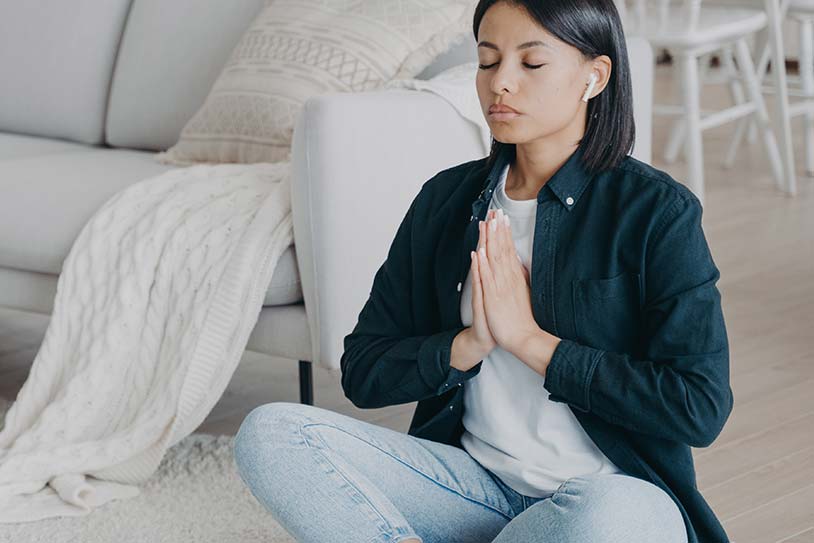
20. Improved Sleep
By calming the nervous system, meditation supports deeper and more restorative sleep cycles (Rusch et al., 2018).
21. Perspective and Clarity
Meditation provides the space to observe your thoughts without being overpowered by them. You begin to recognize your mind’s patterns—the dramas and stories—with compassion rather than reactivity (Mao et al., 2023; Cooper et al., 2018).
If you discovered a literal goldmine in your backyard, you wouldn’t hesitate to start digging. Meditation is that treasure chest of health and happiness. Whether you join an online event or practice quietly at home, remember: peace and health start from within. Here are several exercises to jumpstart your journey:
- Diaphragmatic Breathing Also known as “belly breathing,” this technique engages the stomach muscles and diaphragm to ensure full lung expansion. By intentionally slowing the breath, this practice lowers the heart rate and triggers the body’s relaxation response.
- How to practice: Lie comfortably on your back (using pillows under your head or knees for support). Place one hand on your chest and the other on your upper abdomen. Inhale slowly through your nose, feeling your stomach rise while keeping your chest relatively still. Exhale slowly through the mouth as your abdomen falls. Continue for 3–5 minutes.
- The 4-8-8 Technique This rhythmic breathing pattern is widely used to reduce anxiety, release muscle tension, and promote deep relaxation.
How to practice: Sit in a comfortable, upright position. Inhale through your nose for 4 seconds, hold the breath for 8 seconds, and exhale forcefully through the mouth for 8 seconds. Beginners should start with 3–5 repetitions, gradually increasing as the body adjusts to the practice.
Alternate Nostril Breathing (Nadi Shodhana)
Derived from South Asian traditions, this technique—often called Nadi Shodhana—is highly effective for enhancing breath control, lowering heart rate, and improving overall cardiorespiratory function.
How to practice:
- Set your posture: Sit in a comfortable, upright position.
- Prepare your hand: Use your right hand. Place your thumb over your right nostril and your ring finger near your left nostril.
- Close the right: Gently press your thumb to close the right nostril and inhale deeply through the left.
- Switch sides: Close the left nostril with your ring finger, release the right nostril, and exhale fully.
- Reverse the flow: Inhale through the right nostril, then close it with your thumb. Release the left nostril and exhale fully.
Duration: This completes one full cycle. Continue alternating sides for up to 10 minutes or until you achieve a state of relaxation.
“Meditation is a practice of present-moment awareness that not only calms the mind, but strengthens the body, sharpens the brain, and supports a longer, healthier life.
By Deepak Santhiraj, Licensed Clinical Social Worker
Recent Posts

Why Summer Makes Family Conflict and Couples Stress Show Up Faster
Summer is often associated with vacations, longer days, and more time spent with loved ones. Many families look forward [...]

How to Keep Your Teen Emotionally Steady When School Ends for Summer
When summer break arrives, most teens look forward to sleeping in, spending time with friends, and enjoying a break from [...]

Quelling Performance Anxiety
Whether you are stepping onto a stage, pitching to investors, or just speaking up in a big meeting, that [...]